
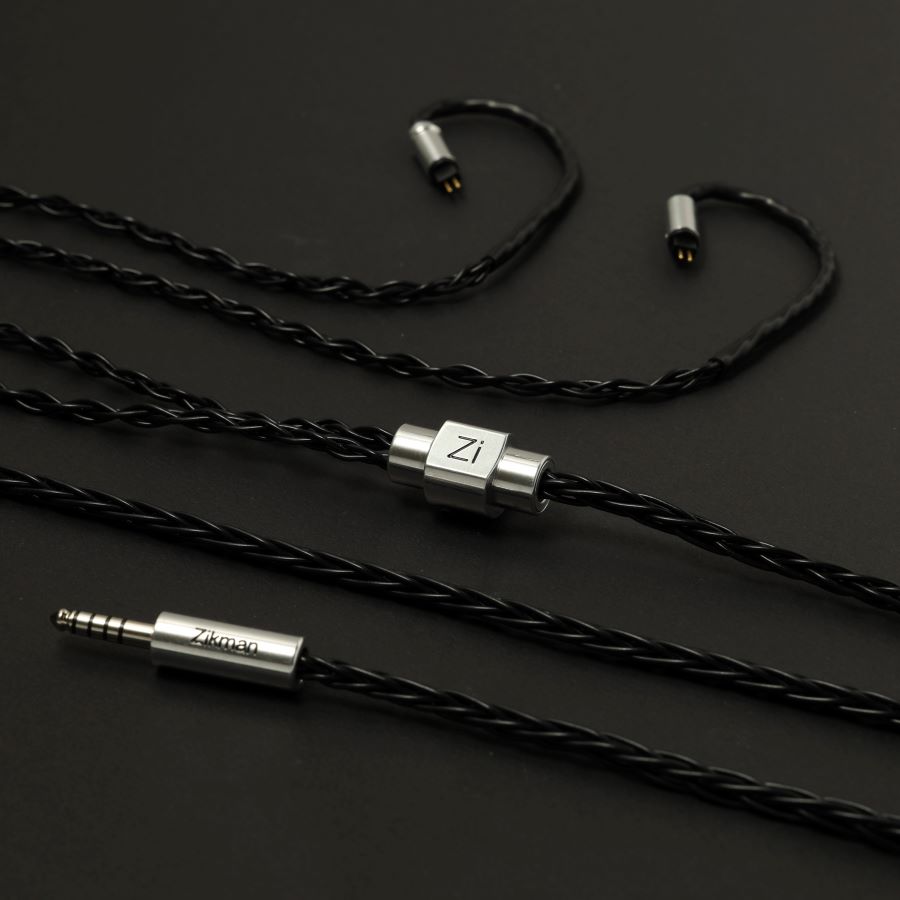
What is a Hybrid Cable and How Does It Improve Sound?
- By zikman.audio
What is a Hybrid Cable?
Hybrid cables for headphones combine various metals like copper, silver, gold, and palladium. These materials can be used either as alloys or as separate strands, allowing for optimal audio signal transmission by leveraging the unique properties of each metal.
How Do Hybrid Fiber Optic Cables Work?
Hybrid cables use the advantages of different metals:
- Copper. Excellent conductivity for efficient signal transmission. Warm sound, enhancing low and mid frequencies.
- Silver. Enhanced high frequencies, improving clarity and detail. Increased resolution and transparency of the sound.
- Gold. Corrosion resistance, preventing oxidation and degradation of connections. Improved connection stability for long-term use.
- Palladium. High durability and oxidation resistance, improving longevity of the cable. Enhances micro-details, increasing sound resolution and clarity.
Impact on Sound Quality
Hybrid cables affect various sound aspects:
- Low frequencies. Clear and deep bass without muddiness. Stable and accurate sound in the low range.
- Mid frequencies. Clear and precise vocals. Detailed instrumental sounds.
- High frequencies. Transparency and clarity without distortion. Enhanced detail in the upper frequency range.
Popular Types of Hybrid Cables
Silver-Plated Copper
Silver-plated copper cables enhance the detail and clarity in high frequencies while retaining the warm, rich sound of copper. This combination results in a well-balanced sound that highlights both the high and low frequencies effectively, making it suitable for a wide range of music genres.
Copper Silver Alloy
Copper silver alloy cables offer a balanced sound profile that combines the warmth of copper with the brightness of silver. This balance results in rich low frequencies and clear high frequencies, providing a well-rounded audio experience with enhanced detail and depth.
Strands of Silver and Copper
Cables with separate strands of silver and copper deliver clear and deep bass, coupled with crisp highs and natural mids. This design takes advantage of the strengths of both metals, resulting in a dynamic and detailed sound that captures the nuances of both low and high frequencies.
Copper, Silver, and Gold
Combining copper, silver, and gold, these cables offer a balanced frequency response with improved detail and natural sound. The gold adds a layer of smoothness and refinement to the audio, making the sound more cohesive and pleasing across all frequency ranges.
Copper, Silver, Gold, and Palladium
Cables with copper, silver, gold, and palladium provide maximum detail and depth, rich low frequencies, and crystal-clear highs. Palladium enhances the micro-details and adds a sense of spaciousness to the sound, making it incredibly detailed and immersive.
Pros and Cons of Hybrid Cable
Pros
- Sound quality. Hybrid cables combine different materials (e.g., copper and silver) to enhance frequency range, offering improved clarity and depth in sound compared to traditional cables.
- Durability. Made from high-quality materials, hybrid cables are built to last longer, withstanding wear and tear, and are resistant to corrosion, ensuring better longevity.
- Aesthetics. These cables often have an attractive, premium look, combining functionality with style. The design can add a sleek, high-end feel to the setup.
- Flexibility. Hybrid cables are often designed to be more flexible, making them easier to handle and less prone to kinking, ensuring ease of use.
Cons
- Price. Hybrid cables tend to be significantly more expensive than standard cables due to the premium materials used, making them a larger investment.
- Complexity in choice. With different materials involved, it can be challenging for users to select the right combination of metals or construction, requiring more knowledge to make an informed decision.
- Overkill for some setups. In many cases, the enhanced performance may not be noticeable for casual users or in lower-end audio setups, making the added cost unnecessary.
Debate on the Use of Gold and Palladium
There is ongoing debate about the use of gold and palladium due to their higher resistance compared to OCC copper (Ohno Continuous Cast). However, many users prefer the sound characteristics provided by cables incorporating these metals, appreciating the enhanced micro-details and corrosion resistance.
How to Choose a Hybrid Fiber Optic Cables?
- Materials. Pay attention to the combination of metals used (e.g., copper for cost-effective conductivity, silver for superior clarity).
- Length. Choose a length that suits your setup without introducing signal loss or making the cable cumbersome.
- Connectors. Ensure connectors (e.g., 3.5mm, 6.35mm, XLR, MMCX) are compatible with your headphones and source device.
- Durability and flexibility. Look for cables with durable jackets (e.g., braided or rubberized) and flexible construction to withstand wear and tear.
- Performance compatibility.Ensure your equipment can fully utilize the cable’s capabilities for optimal performance.
Conclusion
Hybrid cables can significantly enhance the sound quality of your headphones. Choose cables that match your sound preferences and budget.

We will answer all your questions about IEM cables and help you determine exactly what you need